Choosing materials for your home is never just about upfront cost. The cheapest option today can quietly drain your wallet over the next two decades through repairs, replacements, energy waste, and pest damage. This guide walks through the building materials and systems that cost more at installation but pay for themselves many times over through durability, efficiency, and lower maintenance. If you are planning a renovation or building new, understanding these long-term tradeoffs can save you thousands.
Metal Roofing Versus Asphalt Shingles Over Time
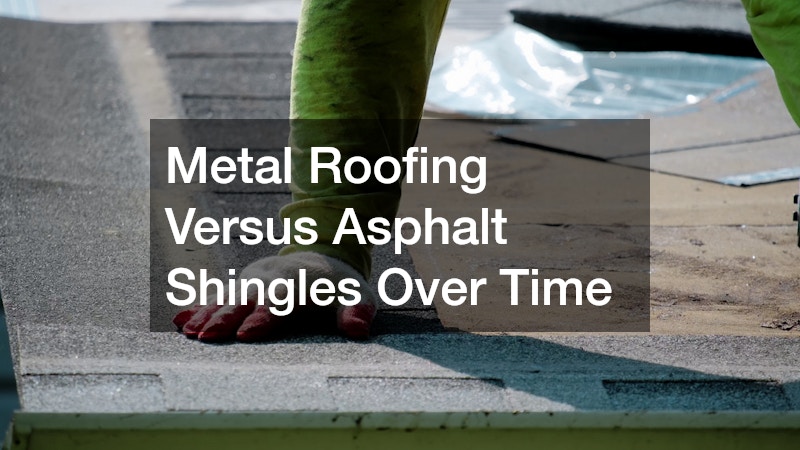
Asphalt shingles remain the default choice for many homeowners because they are inexpensive to install, typically running $4 to $7 per square foot including labor. The tradeoff is longevity: standard three-tab shingles last 15 to 20 years, while thicker architectural shingles can stretch to 25 years under ideal conditions. Harsh sun, hail, and freeze-thaw cycles all shorten that lifespan considerably.
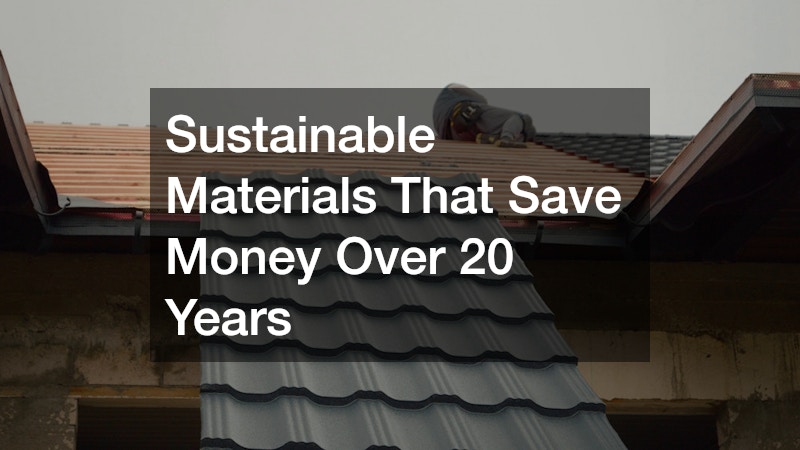
Metal roofing costs more upfront, often $9 to $16 per square foot depending on the material, but it can last 40 to 70 years depending on the panel type and installation quality. Standing seam steel and aluminum systems tend to last the longest, while lower-cost corrugated panels sit at the shorter end of that range. Quality installation matters just as much as material choice, since poorly fastened panels or improper flashing can lead to leaks that undermine the roof’s durability.
Over a 20 year window, most homeowners with asphalt roofs will pay for at least one full replacement, and sometimes two if they chose a cheaper shingle grade or live in a harsh climate. That second replacement adds not just material and labor costs but also tear-off and disposal fees, which can run several hundred dollars on their own. A metal roof installed correctly may never need a full replacement in that same span, often requiring only minor maintenance like resealing seams or replacing occasional fasteners.
Metal roofs also tend to hold up better against wind, fire, and snow load, which can translate into lower insurance premiums in some regions. That secondary savings compounds the upfront cost gap over the full 20-year comparison, making metal a stronger long-term value even though the initial investment feels steeper.
Asphalt shingles typically cost $4 to $7 per square foot installed and last 15 to 20 years, while standing-seam metal roofing runs $9 to $14 per square foot but can last 40 to 70 years with minimal maintenance. That means a homeowner may replace asphalt shingles once or twice within the same 20-year window that a single metal roof installation covers, and each shingle replacement brings added labor and tear-off disposal costs. Factor in that metal roofs often qualify for insurance discounts and can lower cooling bills by 10 to 25 percent thanks to reflective coatings, and the higher upfront price starts to look like a long-term bargain.
Because roofing represents such a large investment, it pays to get an accurate assessment before deciding. A reputable roofing company can walk you through the lifetime cost comparison for your specific climate and roof pitch, since steep slopes and coastal humidity change the math considerably.
Beyond climate, ask your roofing company about underlayment quality, fastener corrosion resistance, and warranty terms, since a 30-year warranty on cheap materials won’t outperform a 50-year warranty backed by a proven manufacturer. Also request a breakdown of maintenance costs, since asphalt shingles need periodic algae treatment and storm-damage repairs that metal roofing largely avoids. These details, more than the sticker price alone, determine which option truly saves money over two decades.
- Standing seam metal roofs resist wind uplift up to 140+ mph, versus 60-110 mph ratings for most asphalt shingles, making them a smart upgrade in storm-prone regions
- Metal reflects heat, which can lower summer cooling costs by up to 25 percent, especially when paired with a reflective or “cool roof” coating
- Metal roofs last 40-70 years compared to 15-20 years for asphalt shingles, meaning most homeowners avoid a costly second or third replacement over a 20-year span
- Algae-resistant coatings reduce the dark streaking and staining that plagues older shingle roofs, keeping curb appeal intact without pressure washing
- Recycled metal content, often 25-95 percent depending on the manufacturer, makes this option attractive for eco-conscious homeowners
- Metal roofing costs roughly two to three times more upfront than asphalt shingles, so the savings come from longevity and lower maintenance rather than initial price
- Many insurers offer discounts for impact- and fire-resistant metal roofing, further narrowing the long-term cost gap
Fiber Cement Siding Compared to Vinyl and Wood
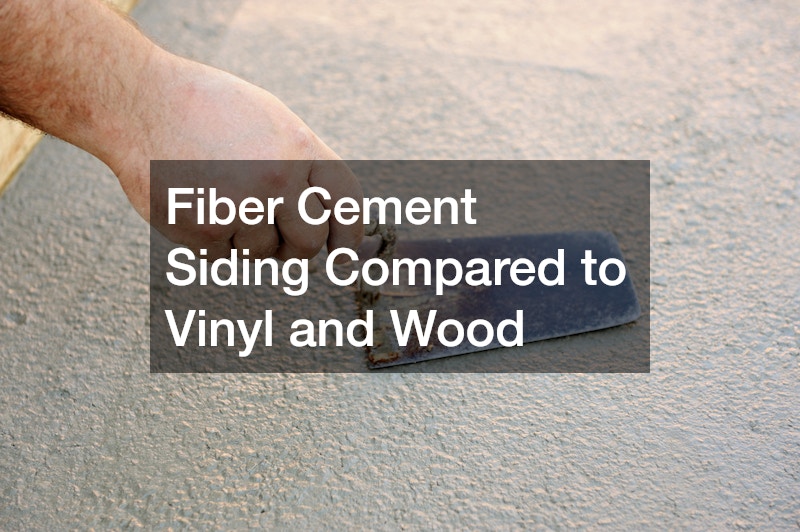
Vinyl siding is popular because it is cheap and easy to install, but it cracks in cold weather, fades in strong sun, and rarely lasts more than 20 years without visible wear. Fiber cement siding costs more initially but resists fire, insects, and rot far better, often carrying warranties of 30 to 50 years. Wood siding sits in the middle, offering a classic look but demanding regular repainting and sealing to avoid moisture damage.
When you factor in repainting costs, moisture repair, and the eventual full replacement that vinyl often requires, fiber cement frequently comes out ahead financially by year 15. It also holds up better against woodpeckers and insects, which is a real concern in humid climates.
Composite and PVC Decking Versus Pressure-Treated Wood
Pressure-treated lumber decking is the budget favorite, but it needs staining or sealing every two to three years to prevent warping, splintering, and rot. Composite decking, made from recycled wood fibers and plastic, costs significantly more per square foot but requires almost no maintenance beyond occasional washing. Over 20 years, the savings on stain, sealant, and labor for a wood deck can easily exceed the price difference paid at installation.
- Composite decking resists moisture swelling that causes boards to buckle
- PVC decking is fully synthetic and holds up even better in wet or shaded yards
- Pressure-treated wood decks typically need board replacement within 10 to 15 years
- Capped composite products resist staining from grease, leaves, and mildew
Fence Materials That Hold Up to Weather and Wear
Wood fencing is a classic choice that many homeowners love for its natural appearance and relatively low upfront cost. That said, untreated or poorly maintained wood fences can rot, warp, or lean within a decade, especially in areas with heavy rainfall or termite pressure. Gaps and rot near the base can also invite rodents, so homeowners dealing with persistent burrowing near fence lines sometimes end up calling a mouse exterminator in addition to repairing the wood itself. Choosing rot-resistant species like cedar, along with proper post-setting and periodic sealing, can extend a wood fence’s life dramatically and protect the investment.
Working with a company that specializes in wood fence installation matters more than people expect, because proper post depth, drainage gravel, and hardware choice determine whether a fence lasts 10 years or 25. Vinyl and aluminum fencing cost more initially but need virtually no maintenance and resist rot entirely, which appeals to homeowners who want a set-it-and-forget-it solution.
Insulation Upgrades That Lower Energy Bills for Decades
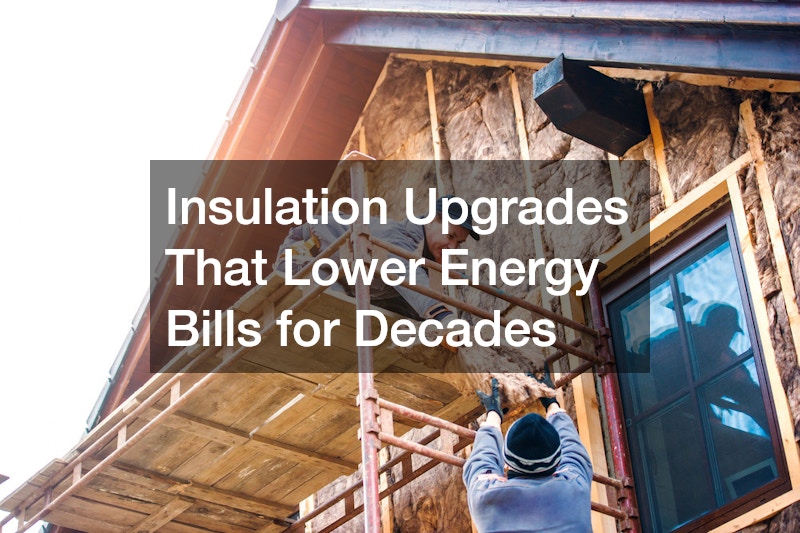
Spray foam and rigid foam board insulation cost more upfront than traditional fiberglass batts—typically $1.50 to $2.50 more per square foot—but they seal air leaks far more effectively and rarely settle or degrade over time. Closed-cell spray foam, in particular, adds structural rigidity and blocks moisture, making it a smart choice for basements, rim joists, and other spots prone to drafts.
Fiberglass insulation can compress and lose effectiveness after 15 to 20 years, quietly increasing heating and cooling costs without any obvious sign of failure. Homeowners often don’t notice the decline because it happens gradually, one degree of lost efficiency at a time, until a suspiciously high energy bill prompts a closer look. An attic inspection every 10 years or so can catch this before it becomes expensive.
Upgrading attic and wall insulation is one of the highest-return investments a homeowner can make, often paying for itself within 5 to 8 years through lower utility bills. The Department of Energy estimates that proper attic sealing and insulation can cut heating and cooling costs by 10 to 15 percent annually, which adds up to thousands of dollars over two decades. Pairing insulation upgrades with air sealing around windows, doors, and ductwork amplifies the savings even further, since insulation alone can’t compensate for uncontrolled air leakage.
- Closed-cell spray foam adds structural rigidity (R-6 to R-7 per inch) and blocks moisture intrusion, though it costs more upfront than other options
- Rigid foam board works well for basement walls prone to dampness, resisting mold while maintaining insulating value even if slightly wet
- Blown-in cellulose offers a greener alternative made from recycled paper, often treated with borate for fire and pest resistance
- Proper attic sealing reduces strain on heating and cooling equipment year-round, cutting energy loss through gaps around vents, pipes, and wiring penetrations
- Combining air sealing with insulation upgrades typically yields better ROI than insulation alone, since sealed leaks prevent conditioned air from escaping
- Most upgrades pay for themselves within 5-10 years through lower utility bills, then continue saving money for the life of the material
High-Efficiency HVAC Systems and Long-Term Utility Savings
Standard HVAC systems installed at the lowest possible price often carry lower SEER ratings, meaning they consume more electricity to produce the same cooling output. Investing in a high-efficiency heat pump or variable-speed system costs more initially but can cut cooling and heating costs by 20 to 40 percent annually. Over 20 years, that efficiency gap adds up to thousands of dollars in avoided utility spending, especially in regions with long, hot summers.
It’s worth having HVAC professionals evaluate your home’s insulation, ductwork, and square footage before recommending equipment size, since an oversized or undersized system wastes energy regardless of its efficiency rating. Regular seasonal maintenance also extends the life of the equipment, protecting the upfront investment. Reliable AC services throughout the system’s lifespan, including filter changes and refrigerant checks, keep efficiency levels close to the manufacturer’s original rating rather than letting them degrade unnoticed.
Water-Efficient Plumbing Fixtures and Pipe Materials
Older plumbing systems built with galvanized steel or basic PVC can develop leaks, corrosion, and reduced water pressure over time, leading to costly repairs and wasted water. PEX piping has become a popular upgrade because it resists corrosion, handles freezing temperatures better, and is faster to install, which can lower labor costs during renovations. Low-flow fixtures paired with modern piping materials reduce water waste substantially without sacrificing performance.
When planning a plumbing upgrade, it helps to consult experienced plumbers who can identify weak points in your existing system before they turn into emergencies. A trustworthy plumbing company will also factor in local water quality and pressure when recommending pipe materials, since not every option performs the same way in every region.
- PEX piping resists the corrosion that plagues older copper and galvanized systems
- Low-flow toilets and showerheads can cut household water use by 20 to 30 percent
- Tankless water heaters last longer than traditional tank units and use less energy
- Leak detection systems help catch small problems before they become expensive
Durable Window and Door Systems That Cut Air Loss
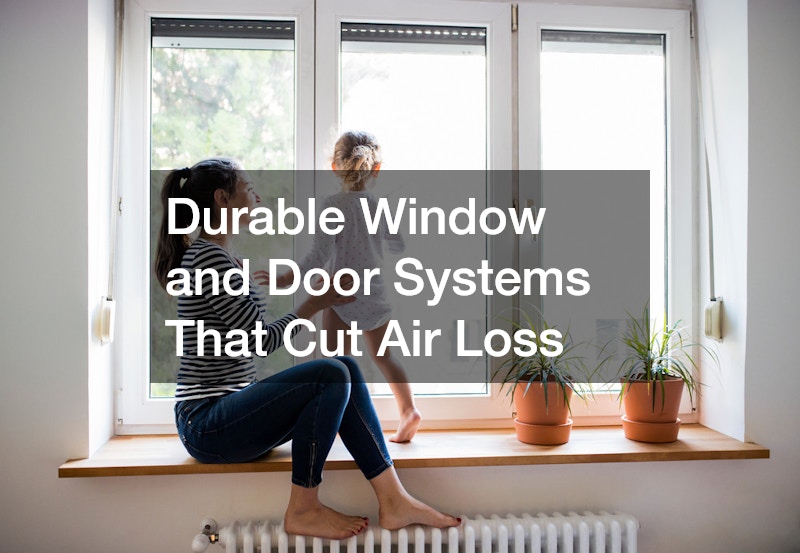
Older single-pane windows and doors are a major source of energy loss, letting conditioned air escape and outdoor temperatures seep in. Upgrading to double or triple-pane windows with low-E coatings significantly reduces this transfer, lowering heating and cooling costs year-round. Similarly, well-sealed entry doors with quality weatherstripping prevent drafts that force HVAC systems to work harder than necessary.
Modern sliding glass door systems have improved considerably in recent years, offering better insulation and tighter seals than older aluminum-framed versions that were common decades ago. These systems combine energy efficiency with durability, often lasting 25 years or more without warping or losing their seal. For homeowners who love natural light and outdoor access, upgrading to a quality sliding door system is both a comfort improvement and a long-term financial one.
Pest-Resistant Building Materials and Ongoing Protection
Termites, carpenter ants, and rodents can cause thousands of dollars in structural damage before homeowners even notice signs of infestation. Choosing pest-resistant materials like treated lumber, metal flashing, and sealed foundation gaps reduces the entry points that pests rely on to access a home. That said, no material is entirely pest-proof, which is why ongoing protection matters just as much as smart material choices.
Homeowners in humid, warm climates should be especially proactive, since termite and moisture-related pest issues are common concerns for anyone researching south carolina pest control options. Scheduling routine residential pest control inspections helps catch small problems before they compromise structural materials, and sealing gaps around vents, pipes, and foundation cracks can prevent wood-destroying insects from finding new entry points in the first place. Combining durable materials with regular inspections protects both your home’s structure and the money you’ve invested in it.
Sustainable materials rarely win on sticker price alone, but they consistently win on total cost when measured over 20 years. From roofing and siding to insulation, plumbing, and pest prevention, the smartest investments are the ones that reduce repairs, lower energy bills, and hold up against time and weather. Before your next renovation, take time to compare lifetime costs rather than just upfront pricing, and consult qualified professionals who can help you choose materials suited to your climate and budget. A little research now can mean decades of savings down the road.