Vinyl fences have emerged as a leading choice for homeowners seeking an attractive and sustainable fencing solution. Renowned for their durability, vinyl fences require minimal upkeep, making them a popular option for those unwilling to dedicate excessive time to maintenance. However, to ensure a vinyl fence remains a picturesque addition to any home, it’s essential to engage in routine care as recommended by seasoned professionals. By learning straightforward maintenance strategies, homeowners can prolong the life and beauty of their fences, a topic this article explores with guidance from professional vinyl fence contractors.
How do I clean my vinyl fence effectively?
1. Regular Rinsing
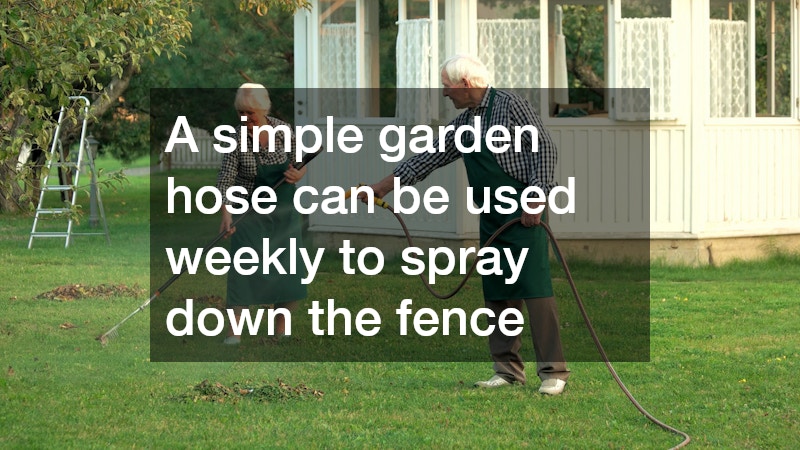
Implementing a routine rinsing schedule effectively helps prevent the accumulation of dirt and grime on vinyl fences. A simple garden hose can be used weekly to spray down the fence, ensuring that surface debris does not settle in, which might eventually lead to harder-to-clean stains.
Consistency in this practice not only maintains the fence’s pristine look but also contributes significantly to the fence’s long-term durability, by reducing the chances of abrasive particles causing minor scratches or dullness over time.
2. Using Gentle Cleaners
Choosing the right cleaning agents is a critical step in maintaining a vinyl fence’s finish. It’s advisable to opt for gentle, non-abrasive cleaners specifically designed for use on vinyl surfaces. These products clean effectively without scratching or wearing down the fence’s outer layer, which is essential as abrasive materials can cause the vinyl to lose its luster or become damaged over time.
3. Tackling Stubborn Stains
For spots and stains that resist regular cleaning, it might be necessary to use a more targeted approach to maintain the fence’s good condition. Products like white vinegar or a mixture of water and dish soap can be effective against common stains, without posing a risk of damage to the vinyl material. A soft brush or sponge can be used to scrub affected areas gently, ensuring that stubborn stains are lifted while keeping the fence intact and unharmed.
What are the best practices for preventing damage to my vinyl fence?
1. Regular Inspections
Conduct periodic inspections of your vinyl fence to identify any damage or areas of concern early, allowing for timely interventions. This proactive approach ensures minor issues like cracking or warping are addressed before they escalate into significant structural problems. By adopting a thorough inspection routine, homeowners can maintain the aesthetic and functional integrity of their vinyl fences over the years.
2. Landscaping Considerations
The relationship between a fence and its surrounding landscape is crucial; ensuring plants and shrubs are kept at a safe distance can prevent unnecessary damage. Overhanging branches or thorny bushes can scratch vinyl or apply undesired pressure, leading to potential flexing or discoloration of the fence panels. Maintaining a clear buffer zone contributes to the longevity of the structure and ensures the planting around fences adds to the home’s beauty rather than being detrimental.
3. Shifting or Loose Posts
Addressing shifting or loose posts promptly is vital to preserving a fence’s overall stability and alignment. Soil movement, seasonal changes, and improper installation are common factors contributing to post instability, but these can be combated by reinforcing the posts and ensuring they are anchored correctly. By taking corrective actions promptly, homeowners can avert broader structural issues and keep their fences standing strong.
How can I enhance the lifespan of my vinyl fence?
1. Proper Installation Techniques
The initial setup of a vinyl fence significantly affects its long-term stability and resilience. Homeowners should always prioritize utilizing professional installation services to guarantee that their fence is set correctly and built to withstand environmental pressures. By ensuring this critical element is tended to from the start, homeowners avert potential future complications, thereby extending the lifespan of their fence.
2. Seasonal Adjustments
Understanding and managing the effects of seasonal changes is important for the upkeep of a vinyl fence. Exposure to varying weather conditions, from summer heat to winter frost, can have cumulative effects if not addressed. Adapting maintenance practices to suit seasonal variations—such as ensuring posts remain upright in soggy autumn conditions, or gently cleaning off salt and grime from plowed snow—will contribute to prolonged fence health.
3. Routine Maintenance Schedule
Establishing a comprehensive maintenance schedule is a definitive way to cover all potential problem areas regularly. This includes periodic checks, cleaning sessions, and any necessary minor repairs, contributing to a fence’s longevity and effectiveness. Consistently adhering to this schedule ensures that all aspects of vinyl fence upkeep are attended to, allowing homeowners to maximize the appearance and durability of their fencing investment.
Implementing these expert-recommended practices offers homeowners the chance to maintain and even enhance the lifespan of their vinyl fences significantly. Proper and regular cleaning, coupled with damage prevention strategies and thoughtful seasonality considerations, will help ensure that a vinyl fence remains both a functional and aesthetically pleasing aspect of any property. Engaging with these professional maintenance tips empowers property owners to keep their fences in top shape, ensuring that they remain a secure, beautiful, and valuable perimeter feature for many years to come.