The modern bathroom is often the most resource-intensive room in the house. Between the high volume of water used daily and the energy required to heat it, it is a primary target for homeowners looking to lower their carbon footprint. A sustainable renovation is about more than just aesthetic changes; it is a holistic approach to engineering a space that functions with precision while minimizing its impact on the planet. By focusing on durability, resource conservation, and non-toxic materials, you can transform a standard utility room into a high-performance sanctuary.
Establishing a Sustainable Foundation
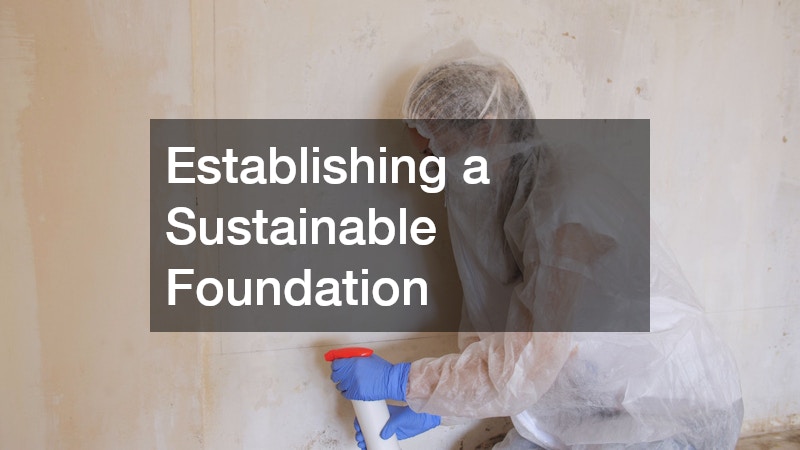
A truly green renovation begins long before the first new tile is laid. It starts with a comprehensive assessment of the existing space to identify what can be preserved and what must be addressed to ensure the home’s health. Waste reduction is best achieved by preventing the premature failure of new materials due to underlying structural issues. Before you begin selecting fixtures, it is essential to inspect the wall cavities and sub flooring for signs of moisture damage.
If your home has a history of poor ventilation, you may need to bring in professionals who specialize in mold remediation to clear the area of any hazardous growth. Taking this step ensures that your new, eco-friendly materials are installed in a clean environment, preventing the need for future demolition due to recurring air quality problems.
Efficiency also extends to the integrity of the home’s perimeter. During the early stages of a teardown, you have a unique opportunity to inspect how the bathroom connects to the rest of the house. Consulting with reputable pest control companies can help you identify entry points for moisture-seeking insects that often thrive in the damp environment of a bathroom. By sealing these gaps during the construction phase, you reduce the need for reactive chemical treatments later on, keeping your home’s ecosystem more natural and safe.
Tips for a Clean Demolition:
- Identify materials like cast iron tubs or copper piping that can be sold to local scrap yards.
- Donate functional cabinets or sinks to architectural salvage warehouses.
- Use floor protection to avoid damaging existing surfaces that you plan to keep.
- Check for lead paint or asbestos in older homes before starting any dry-wall removal.
High-Performance Water Management
Water conservation is the most direct way a bathroom contributes to a greener planet. However, simply installing a low-flow showerhead is only a partial solution. The plumbing infrastructure must be designed to support these fixtures without sacrificing the user experience or causing long-term damage to the pipes.
When reconfiguring your layout to save space or improve flow, the expertise of a commercial plumber can be invaluable. These experts are trained to handle high-pressure systems and complex drainage layouts that are often found in modern, high-efficiency homes. They can ensure that your greywater systems or low-flush toilets are integrated into the main stack with the correct venting, which prevents the siphoning of traps and ensures the system operates at peak efficiency.
Energy waste is frequently linked to water waste. A dripping faucet or a malfunctioning heater can send hundreds of gallons of heated water—and the money spent to warm it—literally down the drain. If you notice a drop in water pressure or an unexplained increase in your utility bill, it is wise to contact water heater leaking services immediately. Catching a small leak early prevents the saturation of your insulation and subflooring, which can be a major source of waste during a remodel if those materials have to be tossed out and replaced.
Strategies for Efficient Water Use:
- Install thermostatic mixing valves to reach your desired temperature faster.
- Choose dual-flush toilets that offer a choice between a 0.8-gallon and 1.6-gallon flush.
- Insulate your hot water pipes to reduce heat loss as water travels from the heater to the tap.
- Consider a point-of-use electric water heater for sinks far from the primary tank.
Selecting Sustainable Surfaces and Materials
The materials you choose for your counters, floors, and walls will define the longevity of the project. In a green bathroom, the goal is to choose “forever” materials that will not need to be replaced for decades. This reduces the cycle of consumption and keeps construction debris out of the local landfill.
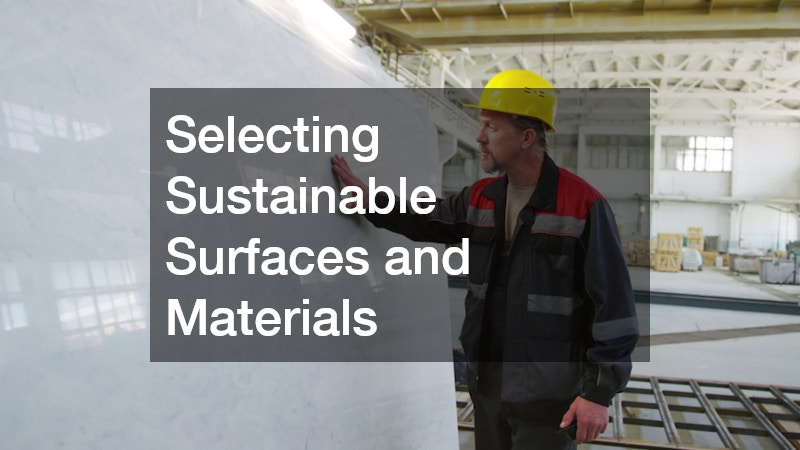
For vanities and shelving, many homeowners are turning to natural stone because of its incredible durability and timeless appeal. By working with local marble countertop companies, you can often source smaller “remnant” pieces that are left over from larger kitchen projects. Using these off-cuts is an excellent way to get a premium, natural material at a lower price point while ensuring that no part of the quarried stone goes to waste.
When it comes to the surfaces underfoot, sustainability is often found in the manufacturing process and the distance the product travels. Selecting the right flooring for a wet environment requires a balance between slip resistance and environmental impact. Options like porcelain tile with high recycled content or sustainably harvested cork are excellent choices because they offer natural warmth and can withstand the heavy moisture of a family bathroom without warping or off-gassing.
Lighting and Glass for Energy Retention
The way light and heat interact with your bathroom determines how much electricity you consume for illumination and climate control. Glass is a powerful tool in the eco-friendly designer’s kit, as it allows for the passage of light while acting as a barrier for heat.
To minimize the carbon footprint of your glass components, it is best to source your materials from a local glass company. This reduces the energy spent on shipping heavy, fragile items across the country and supports the local economy. Whether you need custom-cut mirrors to brighten a dark corner or heavy-duty partitions to separate a wet room, local sourcing is a key tenet of green procurement.
In the shower area, the choice of enclosure can significantly affect the “micro-climate” of the room. A precision-engineered shower door helps to trap steam and heat within the enclosure, allowing you to feel warmer even when the water is set to a lower temperature. This simple physical barrier can lead to shorter showers and reduced demand on your water heater, making it a functional upgrade that pays for itself over time.
Benefits of Custom Glass Enclosures:
- Eliminates the need for vinyl curtains that contain harmful phthalates.
- Increases the lifespan of the shower area by preventing water spray on drywall.
- Allows natural light from windows to reach the entire room.
- Provides a sleek, modern look that increases the overall value of the property.
Precision Installation and Maintenance
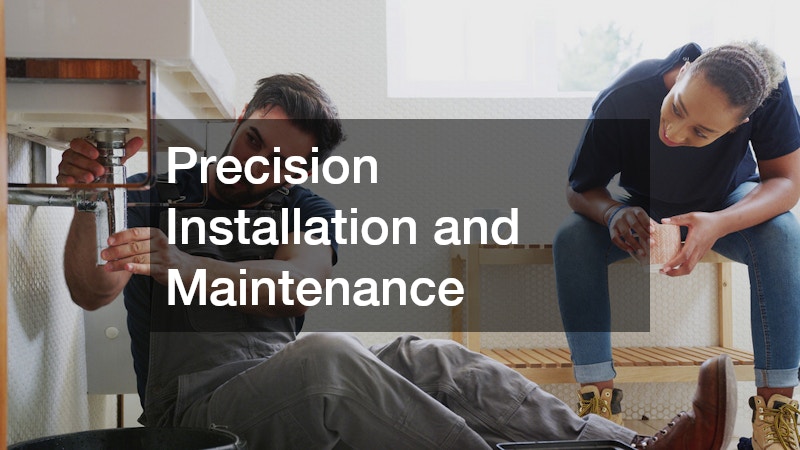
The final phase of a green bathroom project involves the fine-tuning of all systems. Even the most expensive eco-friendly fixtures will waste resources if they are installed incorrectly. Precision during this stage ensures that your bathroom remodeling efforts result in a space that is as efficient as it is beautiful.
One of the most common mistakes in a renovation is ignoring the health of the existing drainage lines. Before finalizing the project, it is a smart move to bring in drain cleaning experts to clear any debris that may have accumulated during the construction process. Ensuring that your pipes are clear of mortar dust or hair allows your low-flow systems to drain properly, preventing the standing water that often leads to bacteria growth and foul odors.
Long-term maintenance is the ultimate form of sustainability. A bathroom that is well-cared for will remain functional and attractive for thirty years or more. This involves regular inspections of seals and gaskets, as well as the occasional deep clean of the internal plumbing. By treating your bathroom as a high-performance machine, you protect the investment you have made and ensure that the energy-wise features continue to perform as intended.
The Economics of Eco-Friendly Bathrooms
While the initial cost of green materials and professional labor can be higher than standard options, the long-term savings are substantial. Reducing water and energy consumption lowers monthly utility bills, and choosing durable materials eliminates the need for a “refresh” every five to seven years. Furthermore, many buyers in today’s real estate market prioritize homes with upgraded, efficient systems, making your bathroom a significant asset for future resale.
When you invest in quality, you are also investing in the health of your family. Many traditional building materials contain Volatile Organic Compounds (VOCs) that can linger in the air for years. By choosing low-VOC paints, natural stone, and moisture-resistant materials, you create a cleaner indoor environment. This holistic view of “wellness” is a cornerstone of the modern green home movement.
Long-Term Value Checklist:
- Monitor your water meter once a month to check for “silent” leaks in the toilet or shower.
- Replace old light bulbs with LEDs that offer a warm color temperature suitable for grooming.
- Use a squeegee on glass surfaces after every shower to prevent the build-up of hard water minerals.
- Ensure the exhaust fan is sized correctly for the square footage to prevent humidity damage.
Advanced Tech for the Green Bathroom
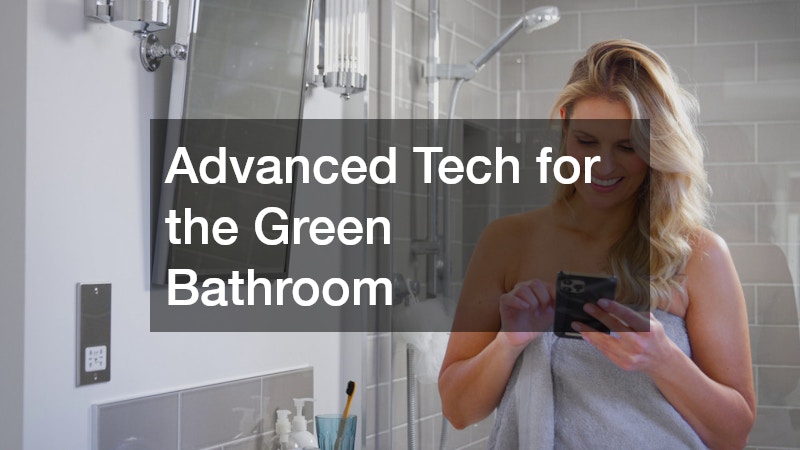
As technology evolves, new tools are making it easier to manage home resources. Smart home integration allows for precise control over almost every aspect of the bathroom. From leak-detection sensors that can shut off the main water valve to smart mirrors that display your daily water usage, the “internet of things” is becoming a powerful ally for the eco-conscious homeowner.
Digital showering systems are another great example. These allow you to pre-set the exact temperature and flow rate, ensuring that no water is wasted while you wait for the shower to get warm. Some systems even have timers that provide a gentle nudge when you have reached a pre-set water limit, helping to build better conservation habits for every member of the household.
Finally, consider the role of the ceiling fan. A high-efficiency, moisture-sensing exhaust fan is essential for preserving the life of your materials. By automatically turning on when humidity levels rise and turning off once the air is dry, these units prevent the damp conditions that lead to rot and structural damage. This automated approach takes the guesswork out of home maintenance and ensures the longevity of your green upgrades.
Designing for All Ages and Abilities
Sustainability also includes the concept of “Universal Design.” A bathroom that is accessible for people of all ages and abilities is inherently more sustainable because it doesn’t need to be remodeled as the occupants’ needs change. This “aging in place” philosophy reduces the waste associated with repeated renovations over a lifetime.
Curbless showers, for example, are not only a modern design trend but also a practical choice for long-term accessibility. They eliminate a trip hazard and make the bathroom easier to clean, which reduces the need for harsh chemical agents. Incorporating grab bars that double as towel racks and choosing levers instead of knobs for faucets are simple ways to make a bathroom more functional for everyone without sacrificing style.
By thinking decades ahead, you are making the most sustainable choice possible. You are ensuring that the resources used today will continue to serve their purpose for as long as possible. This long-range planning is what separates a trendy remodel from a truly green construction project. It requires a shift in mindset from “what looks good now” to “what will work best for the next generation.”
The journey toward a more efficient home is paved with thoughtful decisions and a commitment to quality. By viewing each component of your bathroom as part of an interconnected system, you can find opportunities to save energy and reduce waste in places you might have otherwise overlooked. From the sourcing of the stone to the precision of the plumbing, every detail contributes to a larger goal of environmental responsibility.
A bathroom that respects the planet is a bathroom that respects the user. It provides a sense of comfort and pride, knowing that your daily routines are supported by a space designed with the future in mind. As you move forward with your project, remember that the most sustainable choice is often the one that prioritizes craftsmanship and durability. With the right strategies in place, your renovation will stand as a testament to the idea that we can live well while living lightly on the earth.