
Keeping a home running smoothly is less about constantly making improvements and more about staying ahead of the small issues that can eventually become major problems. Every home depends on numerous systems working together, from plumbing and electrical components to roofing, heating, cooling, and outdoor spaces. When those systems are maintained consistently, homeowners can protect their property, improve comfort, and avoid many unnecessary disruptions.
A well-maintained home also tends to be easier to live in. Doors and windows function properly, water drains as it should, appliances have dependable connections, and outdoor areas remain safe and usable. Instead of waiting until something breaks, homeowners can make maintenance part of their regular routine.
Long-term home care does not require addressing everything at once. Creating a practical schedule, paying attention to warning signs, and knowing when professional assistance is appropriate can make ongoing maintenance much more manageable.
Establish A Regular Maintenance Routine
One of the best ways to keep a home running smoothly is to establish a maintenance routine. Without a plan, it can be easy to overlook tasks until something goes wrong. A maintenance schedule provides a simple way to keep track of systems that need periodic attention.
Some tasks should be performed frequently, such as changing HVAC filters, testing smoke and carbon monoxide detectors, checking for plumbing leaks, and cleaning commonly used areas. Other responsibilities can be scheduled seasonally or annually.
Homeowners should also keep records of major maintenance and repairs. Knowing when a roof was serviced, an appliance was replaced, or a major electrical project was completed can make future planning easier.
A maintenance routine should reflect the specific property. Older homes may require more frequent inspections, while newer homes may have different maintenance needs. Climate, landscaping, household size, and the age of major systems can also influence the appropriate schedule.
The goal is not to create an overwhelming list of chores. Instead, homeowners should develop a manageable routine that helps them notice problems early and stay aware of the home’s overall condition.
Pay Attention To Plumbing
Plumbing is one of the most important systems in a home because even a relatively small issue can cause significant damage if it goes unnoticed. Leaking faucets, slow drains, running toilets, low water pressure, and damp areas can all indicate problems that deserve attention.
Homeowners should periodically inspect areas beneath sinks, around toilets, near water heaters, and anywhere pipes are visible. Unexplained moisture, stains, musty odors, or changes in water pressure may warrant further investigation.
Drains also benefit from proper care. A drain cleaning service can address buildup and blockages that interfere with normal water flow. Homeowners should also be mindful of what goes down sinks, showers, and toilets because inappropriate materials can contribute to clogs.
Water quality is another consideration. Depending on the local water supply, homeowners may choose to install a home water filtration system to address specific water concerns and improve the quality of water used throughout the property.
Taking care of plumbing proactively can help reduce the likelihood of leaks, backups, and water damage. It can also make everyday household tasks more convenient.
Keep Electrical Systems Up To Date
A home’s electrical system supports nearly every modern convenience. Lighting, appliances, entertainment equipment, heating and cooling systems, computers, and other devices all depend on reliable electricity.
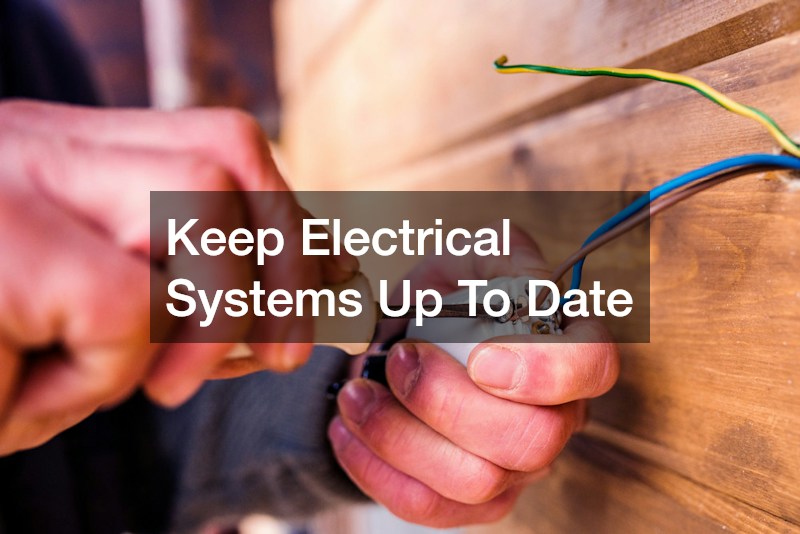
Homeowners should pay attention to warning signs such as frequently tripped breakers, flickering lights, warm outlets, unusual buzzing sounds, or an odor associated with burning materials. These issues should not simply be ignored because electrical problems can create serious safety concerns.
Older homes may have electrical systems that were designed for a very different level of household demand. Modern families often use substantially more electrical devices than homeowners did decades ago, which can place additional demands on existing infrastructure.
In some situations, an electrical panel upgrade may be appropriate to improve capacity and support modern electrical needs. Any significant electrical work should be evaluated and completed by a qualified professional.
Homeowners should also avoid overloading outlets and relying heavily on extension cords as a permanent solution. Keeping electrical systems in good condition is an important part of maintaining a safe and functional property.
Maintain Heating And Cooling Systems
Temperature control has a major effect on household comfort throughout the year. Heating and cooling equipment also represents a significant investment, making regular maintenance important.
Homeowners should replace or clean HVAC filters according to the equipment manufacturer’s recommendations. Dirty filters can restrict airflow and make systems work harder. Vents and registers should also remain clear of furniture, boxes, and other obstructions.
Annual professional maintenance can help identify worn components and other concerns before they result in an unexpected breakdown. Keeping equipment clean and properly adjusted may also support more consistent performance.
When a heating or cooling system reaches the end of its useful life, replacement planning becomes important. Waiting until a system fails completely can create an uncomfortable situation, particularly during extreme weather.
For homes that need a new cooling system, professional AC installation can ensure that equipment is appropriately selected and properly connected for the property. Planning ahead gives homeowners more time to compare options rather than making a rushed decision during an emergency.

Protect The Roof And Exterior
The roof provides one of the home’s most important forms of protection. It shields the structure from rain, snow, wind, sunlight, and other environmental conditions.
Homeowners should periodically look for missing or damaged shingles, damaged flashing, sagging areas, water stains, or other visible signs of deterioration. Attic inspections can also reveal evidence of moisture that may not be visible from inside the living space.
Professional inspections can be particularly useful as a roof ages or after severe weather. Addressing minor concerns early may help prevent water from entering the structure and damaging insulation, ceilings, walls, or other components.
When significant roof work is necessary, homeowners may compare several roofing companies before choosing a provider. Evaluating experience, communication, scope of work, and the condition of the existing roof can help homeowners make a more informed decision.
The rest of the exterior deserves attention as well. Gutters should remain clear, siding should be inspected for damage, and exterior caulking should be maintained where needed. These seemingly small details can help protect the structure from moisture and weather-related damage.
Take Care Of The Chimney
For homes with fireplaces or other chimney-connected systems, chimney maintenance should be part of the overall property care routine. Chimneys are exposed to weather and can develop problems involving masonry, flashing, caps, or other components.
Homeowners should watch for cracked masonry, loose materials, visible water damage, or changes in how the fireplace or chimney functions. Interior signs can include staining around the fireplace or unusual odors.
Regular professional inspections can help identify problems that are difficult to see from the ground. Depending on the type and use of the fireplace, cleaning may also be necessary.
When masonry or structural concerns appear, addressing them promptly is important. Local chimney repairs can help restore damaged portions of the chimney and reduce the risk of allowing a relatively small issue to become a larger exterior or interior problem.
Proper chimney maintenance is particularly important because it involves both property protection and household safety.

Keep The Septic System Healthy
Homes that rely on septic systems have additional maintenance responsibilities. Unlike municipal sewer systems, septic systems require homeowners to understand how their household wastewater is processed and when professional service is necessary.
Regular septic maintenance can help prevent backups and other problems. Homeowners should know the approximate location of the septic tank and drain field and avoid placing heavy structures or vehicles over areas that could interfere with the system.
Water usage can also affect septic performance. Excessive water use over a short period may place additional stress on the system. Addressing plumbing leaks and using water efficiently can therefore benefit both the household and the septic system.
Scheduled septic pumping is another important part of long-term care. The appropriate frequency depends on factors such as household size, tank capacity, and wastewater volume.
Homeowners should also pay attention to warning signs such as slow drains, unpleasant odors, unusually wet areas near the drain field, or wastewater backups. Early attention may help prevent more serious problems.
Maintain Outdoor Spaces
A home’s exterior is an extension of the living environment. Landscaping, walkways, patios, fencing, lighting, and other outdoor features all require ongoing care.
Trees and shrubs should be monitored for overgrowth, dead branches, disease, or proximity to the home’s roof and utility lines. Proper pruning can improve appearance while reducing potential risks.
Outdoor lighting is another useful consideration. Well-placed lighting can improve visibility around entrances, walkways, patios, and other areas of the property. Homeowners who want to improve both functionality and appearance may work with a landscape lighting company to develop an appropriate lighting plan.
Drainage should also receive attention. Water that consistently collects near the foundation can create problems over time. Gutters and downspouts should direct water away from the structure, while landscaping should not create pathways that encourage water to collect against exterior walls.
Outdoor maintenance does not need to be elaborate. Consistent attention to vegetation, drainage, lighting, and hardscape surfaces can help preserve the property’s appearance and functionality.
Keep Bathrooms Functional
Bathrooms experience substantial daily use, which makes routine maintenance particularly important. Small leaks, damaged caulking, clogged drains, and deteriorating fixtures can gradually lead to larger problems.
Homeowners should periodically inspect areas around tubs, showers, toilets, and sinks. Damaged caulk or grout should be addressed before water can penetrate surrounding materials.
Bathroom ventilation also matters. Excess moisture can contribute to condensation, odors, and damage to finishes. Exhaust fans should be kept clean and used during and after showers when appropriate.
Eventually, homeowners may decide that a bathroom needs more than maintenance. If fixtures are outdated, storage is inadequate, or the layout no longer works for the household, a bath remodeler can help transform the space while addressing functional concerns.
Even when remodeling is not necessary, keeping the bathroom clean, dry, and well-maintained can make the space more comfortable and reduce the likelihood of expensive repairs.
Plan For Major Home Changes
Some maintenance projects involve more than repairing an individual component. Homeowners may eventually need to relocate, renovate, expand, or significantly reorganize their property.
Planning is especially important when multiple projects overlap. For example, remodeling one room may affect electrical systems, plumbing, flooring, walls, or adjacent spaces. Understanding the scope of a project before work begins can help reduce surprises.
Homeowners should also consider how major changes affect daily life. A renovation may temporarily make certain rooms unavailable or create additional noise, dust, and activity.
When relocating to a new home, professional movers can simplify the physical process and reduce the burden of transporting furniture and belongings. Careful planning before moving can also make it easier to decide what should be packed, donated, discarded, or stored.
Whether the project involves a renovation or a move, preparation can make a significant difference in how smoothly the transition occurs.
Watch For Small Warning Signs
One of the most effective home maintenance habits is simply paying attention. Small changes can sometimes provide early clues that something needs attention.
A new stain on a ceiling may indicate a moisture issue. A door that suddenly becomes difficult to close could point to movement or moisture. An unusual electrical sound may warrant inspection. A persistent odor could indicate a plumbing, ventilation, or drainage concern.
Homeowners should avoid assuming that unusual changes will resolve themselves. While some issues may be harmless, others can become more expensive when ignored.
Keeping a simple list of concerns can help homeowners monitor developing problems. Instead of trying to remember every issue, they can document what they notice and determine which items require professional attention.
This approach also makes it easier to prioritize. Safety concerns and active leaks should generally receive attention before cosmetic improvements, while larger projects can be planned according to budget and urgency.
Budget For Long-Term Home Care
Home maintenance is easier to manage when expenses are expected rather than surprising. Creating a dedicated budget for repairs, replacements, and routine services can help homeowners prepare for inevitable costs.
Some expenses can be anticipated based on the age of major systems. Roofs, HVAC equipment, water heaters, appliances, and other components eventually require replacement or significant repairs.
Homeowners can research the expected lifespan of major systems and begin saving before replacement becomes urgent. This can reduce the financial pressure associated with an unexpected failure.
It is also useful to distinguish between maintenance, repairs, and improvements. Routine maintenance helps preserve existing systems, repairs address problems, and improvements change or enhance the property. Understanding the difference can make it easier to allocate money appropriately.
A long-term home budget should also include an emergency reserve. Not every problem can be predicted, and having funds available for unexpected repairs can provide valuable peace of mind.
Know When To Call A Professional
Homeowners can handle many basic maintenance tasks, but some situations require professional expertise. Knowing when to seek help is an important part of responsible home ownership.
Electrical problems, major plumbing issues, structural concerns, roofing damage, HVAC failures, and septic problems can involve specialized equipment or knowledge. Attempting to address complex problems without the appropriate expertise may increase the risk of damage or injury.
Professional service can also provide homeowners with information they may not be able to obtain through a basic visual inspection. An experienced technician can often identify underlying causes rather than simply addressing the visible symptom.
Homeowners should also verify that contractors are appropriately qualified for the work being performed. Asking about experience, insurance, licensing where applicable, written estimates, and warranties can help establish expectations before work begins.
The goal is not to outsource every aspect of home care. Rather, homeowners should recognize which responsibilities are reasonable to manage themselves and which are better handled by trained professionals.
Build A Home Maintenance Mindset
Keeping a home running smoothly year after year ultimately comes down to consistency. Major repairs can be expensive and disruptive, but many problems become more manageable when homeowners notice them early and address them appropriately.
A good maintenance mindset means treating the home as a collection of interconnected systems rather than a series of isolated rooms. Plumbing affects water use, drainage affects landscaping, roofing affects interior spaces, electrical capacity affects appliances, and HVAC maintenance affects comfort.
Homeowners do not need to complete every project immediately. Instead, they can establish routines, maintain important systems, budget for future replacements, and prioritize issues based on safety and urgency.
A home that receives regular attention is generally easier to maintain, more comfortable to live in, and better prepared for the unexpected. By taking a proactive approach to maintenance and making thoughtful decisions about repairs and improvements, homeowners can protect their investment while creating a space that continues to serve their needs for years to come.